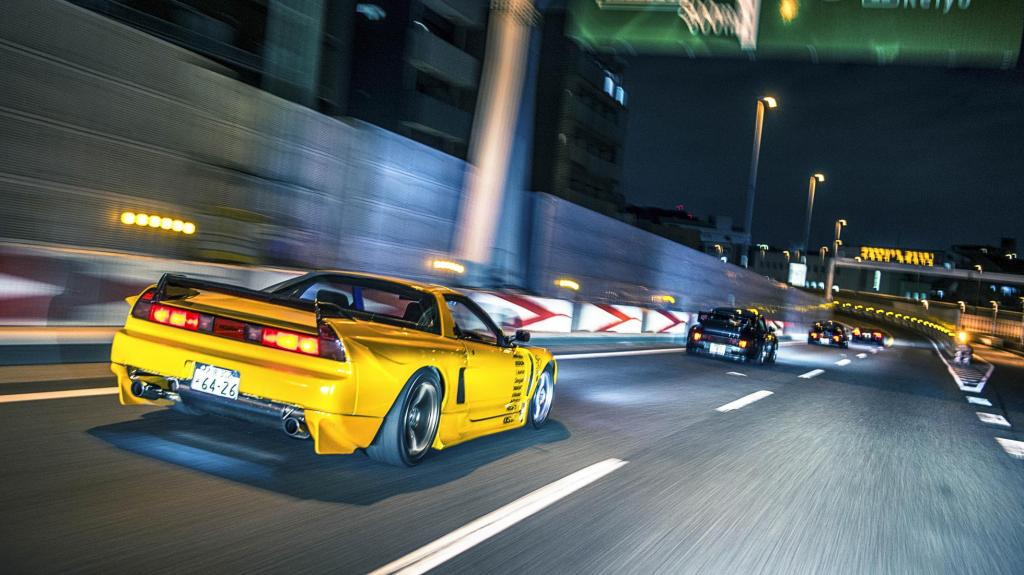
Very popular Illegal Street racing group in Japanese Subculture, consisted of truly elite racers not ricers. Entry into the club required a car with a minimum speed of 155 mph as race speeds often exceeded 215mph. Apprenticeship for 1 year was mandatory before becoming a full member. Safety was highly stressed in the Mid Night Club, drivers who showed recklessness and posed a danger would have their membership revoked. Races were carried out on the Bayshore Route of the Shuto Expressway between Tokyo and Yokohama. Quality of the drivers made it nearly impossible to be caught by the police.
Membership cars were often very heavily modified, producing up to 600 BHP(brake horsepower) As club policy inquiry into how its racers could easily afford such high priced modifications was prohibited.
The group permanently disbanded in 1999, when a fatal accident occurred while racing a group of bikers. Several were hospitalized and a person was killed. As club policy, if such a thing happened they would end the club forever.
The Rockstar racing series Midnight Club is based on these actual racers, the two Kanji letters in Midnight Club translate to Wangan, meaning Bayshore, the route raced by the drivers.
What is the importance of Midnight club in japan?
You could hear them before you could see them, which, given the extent of their wild modifications, was an impressive feat. The silence of twilight splintered with the sound of highly-strung, highly-tuned engines, a dozen modified cars thunder past at savage velocities, their taillights ribbons of blazing crimson slashed temporarily across the still night air.
They were the members of Middo Naito Kurabu, also known as the Midnight Club. One of the most well-known and highly-respected group of illegal street racers in the world, the gang shot to worldwide infamy thanks to its combination of dangerously high racing speed and aggressive driving styles, but also for its clandestine operations and strict code of ethics.
How does it impact the reputation of JDM cars?
Over and over, the hereditary thread of parents helping sons/daughters get into cars keeps cropping up at Tatsumi. It’s touching. But where old folks were influenced by JDM manga comics such as Wangan Midnight, Shakotan Boogie and Initial D, their offspring have access to the whole of the World Wide Web, YouTube, and the best car games in history. This is creating alternative styles, showcased on new JDM platforms. Toyota’s recent GT86, Mazda’s MX-5 and Honda’s S660 are new, simple and tunable cars that have helped revitalise a stagnant scene.
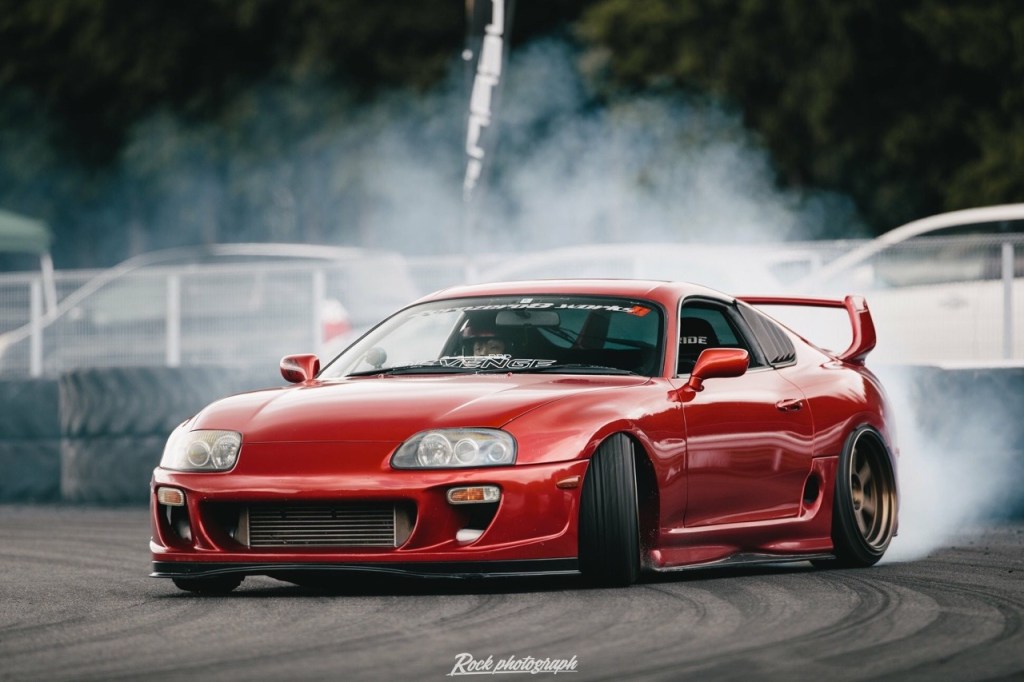
So is Japanese car culture really set for a date with Dignitas? Not in the slightest. Just one look at this year’s Tokyo Auto Salon – Japan’s premiere tuning extravaganza – with its crazy cambered drifters, pink diamante-clad Lambos and quirky kei cars proves it’s alive and well.
The game has just changed. Japanese tuning first came out of post-war frustration, but there are now new variables at work. We’ve seen for ourselves that there’s fresh meat embracing the legacy, keen to drive it forward while also honouring its heritage.
Where they’ll take it, we just don’t know. All we can say is: keep it crazy, Japan.
 Site Title